

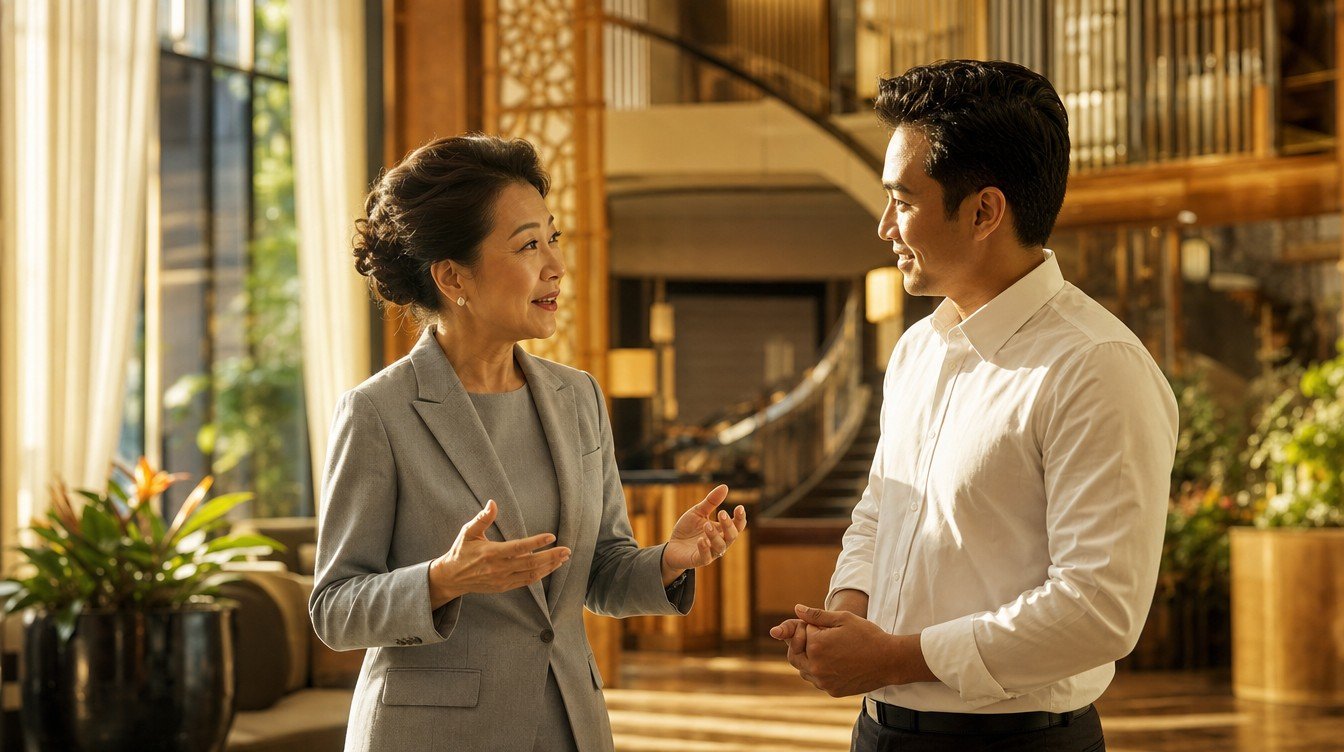
The Future of Hospitality: Florian Kittler in Travel Daily Media
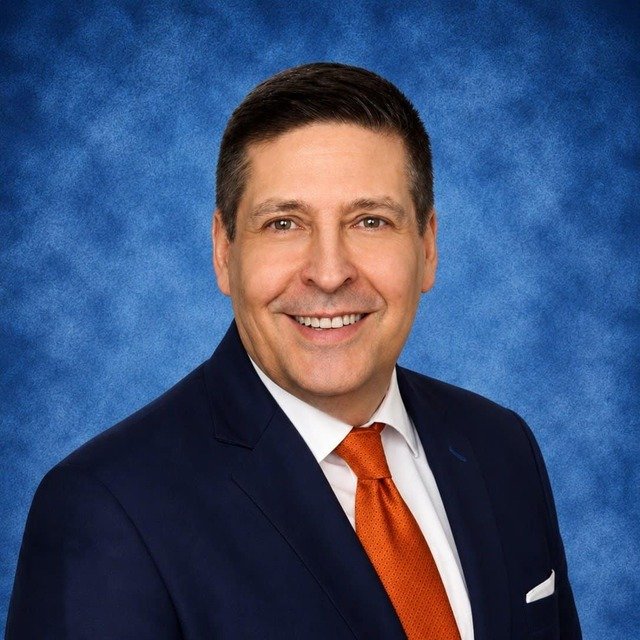

Florian Kittler, Managing Partner at Cornerstone International Group and our Global Practice Leader for Hospitality, Travel and Leisure, spoke to Travel Daily Media. He spoke as a returning judge for the TDM Travel Trade Excellence Awards 2026 in Malaysia. The conversation looks at where the industry is heading, and at what that asks of the people running it. His reading of the future of hospitality is that technology will keep moving quickly. The operators who gain most from it will be the ones who keep people at the centre of the experience.
The interview appears under the title Cornerstone International Group’s Florian Kittler: Future of hospitality depends on people, purpose, smarter technology. It went live on 2 September 2026, as Malaysia prepares for the attention Visit Malaysia 2026 will bring. Florian answers on experience design, resilience and sustainability. He then sets out the shifts he expects to reshape the sector, and the skills the next generation of hotel leaders will need.
The guest experience starts well before arrival
His opening point is about where the experience actually begins. A guest discovers the property, looks at the images, reads the reviews and compares the alternatives. All of that happens before anyone walks through the entrance. It then continues after departure, through the memories they keep and the stories they pass on. A hotel that measures itself only on the stay is looking at a narrow slice of its own product.
He also sees travellers asking for more than a functional room. They want wellbeing, recognition, connection, discovery, or simply a sense of place. That is particularly true across Asia, because guests there travel widely and have an enormous choice of destinations. A property with a real sense of its region holds something a standardised international product cannot copy. It might come from a heritage building, or from an experience rooted in local culture and nature.
Technology has a strong part to play here, through data and AI. The test is whether it helps the operator understand and serve the guest. If it makes the stay feel automated instead, it is solving the wrong problem.
Resilience is information, options and relationships
On disruption, Florian starts from a simple position. Disruption is now part of the operating environment, rather than an event that arrives every few years. A pandemic, geopolitical tension, extreme weather, shifting travel patterns and currency movements cannot be forecast precisely. So the practical work sits in how quickly an organisation responds.
He points to three areas. The first is diversification. A property or a destination that leans on one source market, one airline connection or one type of guest becomes vulnerable as soon as conditions change. Malaysia is well placed here, with a domestic market, regional connectivity and its position within ASEAN.
The second is speed of decision making. Holding data and acting on it quickly are different capabilities. Revenue management, marketing, staffing and distribution all need to move faster than they used to.
The third is relationships, with airlines, DMCs, travel partners, local communities and neighbouring destinations. Those are what create options when circumstances shift. Resilience, on his reading, is not only cash in the bank.
Sustainability becomes an advantage once it is measurable
Guests, investors and employees now want to know what a company actually does. Sustainability has therefore moved past the brochure statement. In a hotel it shows up in operational decisions. That means sourcing more products locally, cutting food waste, managing energy and water properly, protecting the surrounding environment, and working meaningfully with local communities. Those choices reach both the guest experience and the bottom line.
Asia has a particular stake in this, because so much of the region’s appeal rests on nature, biodiversity and living culture. Florian also expects technology to make claims far more transparent. Energy use, water consumption and food provenance are all becoming easier to measure accurately. Evidence a guest can see beats a claim they simply have to trust. So the advantage will sit with operators who build sustainability into how the business runs, rather than treating it as a separate initiative.
Five shifts shaping the future of hospitality
Asked what will redefine the sector over the coming years, Florian names five.
AI is becoming part of the basic infrastructure of hospitality. It reaches forecasting, revenue management, marketing, guest communication and back of house. The question is how intelligently operators use it, not whether they use it at all. Wellness has moved well beyond the spa, into sleep, nutrition, fitness and mental wellbeing, and it is spreading across market segments rather than staying at the top. Food and beverage is becoming part of a property’s identity rather than an additional revenue line. In some hotels the restaurant now matters as much to the local community as the rooms do.
Existing assets are drawing more investment. Construction costs, land prices and development timelines make repositioning an existing hotel increasingly attractive across South East Asia. Loyalty is changing too. Membership and subscription models offer access to experiences, restaurants, wellness and lifestyle benefits, instead of points toward a free night.
Underneath all five he places one issue that gets less attention than it deserves. The future of hospitality, on his account, is a people question before it is a technology one. Technology will absorb more of the repetitive work. As it does, the value rises for people who can create experiences, solve problems, build relationships and lead teams. That is a talent question, and it connects closely to his recent column on how automation is thinning the hotel leadership pipeline.
What the future of hospitality asks of its leaders
Florian does not expect leaders to become technology experts. He does expect them to become technologically comfortable. A general manager who cannot read data and analytics is at a disadvantage. So is one who does not know what AI can and cannot do. Both need to ask the right questions, and to challenge what a dashboard puts in front of them.
At the same time, he sees the human side of leadership becoming more valuable rather than less. Once technology takes the repetitive work, what remains needs judgement, empathy and cultural intelligence. Those are commercial skills, not soft ones. He adds commercial versatility, because the old separation between operations, revenue, sales, marketing and people is less useful than it was. He also adds self awareness, since the environment now changes faster than any leader can stay ahead of alone. The leaders who impress him most across Asia combine local cultural understanding, an international perspective and real curiosity.
This is a theme he has returned to before, and it shapes how he talks about the future of hospitality. It runs through his view that the next performance gap in hospitality will be leadership rather than technology, and through the Masterkey Lab session he led in Dubai on leadership in the age of AI. Our work across the region is set out on the Cornerstone Hospitality APAC page.
Read the full interview on Travel Daily Media: Future of hospitality depends on people, purpose, smarter technology.
This piece sits alongside the rest of our Hospitality, Travel & Leisure practice.