

Masterkey Lab Dubai: Florian Kittler on Leadership in the Age of AI
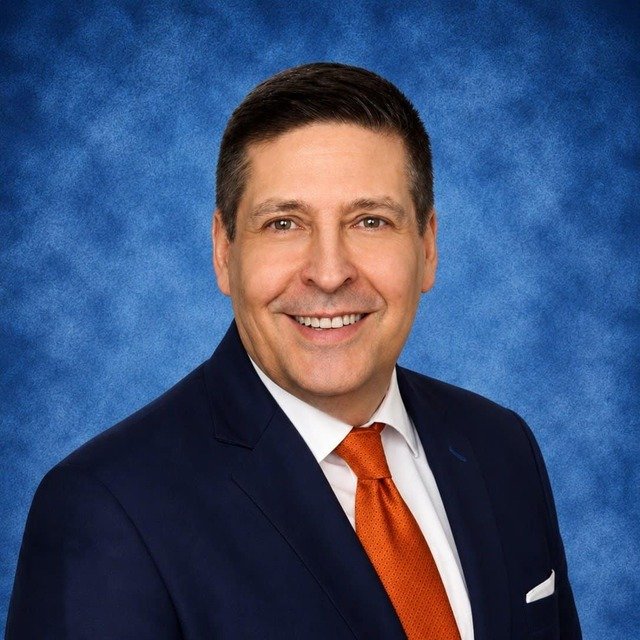

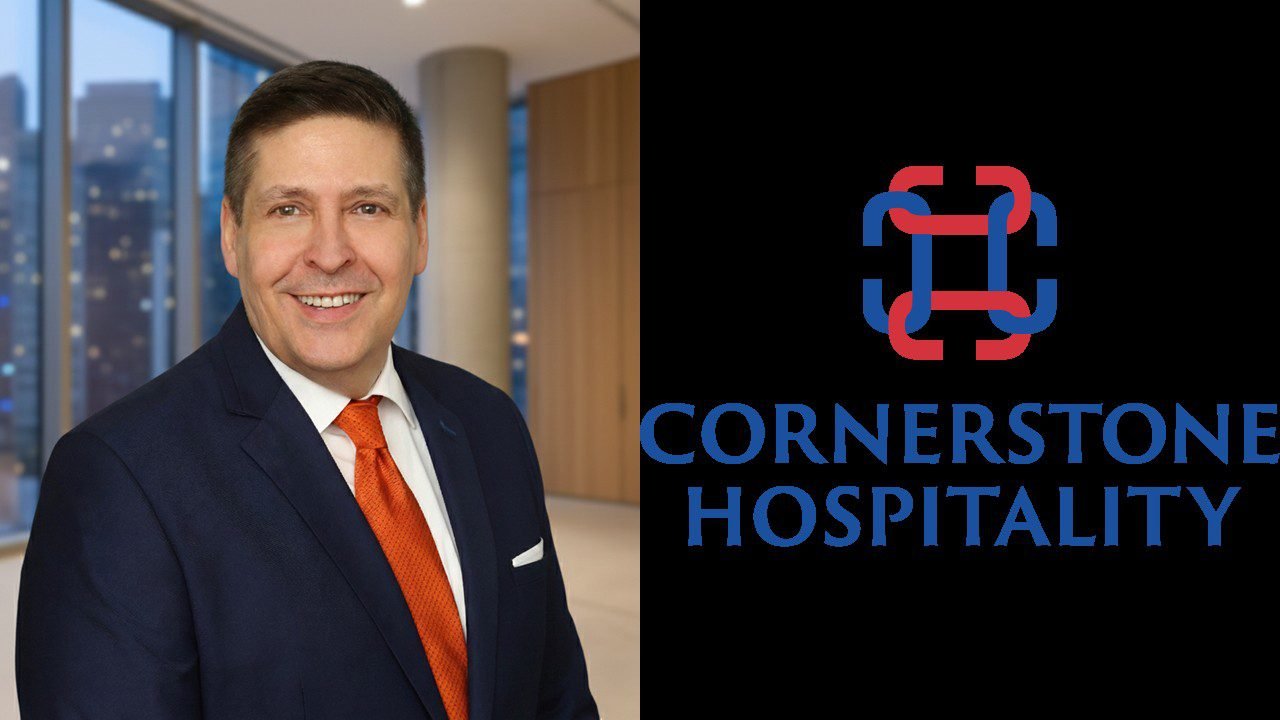
On 15 April 2026, Florian Kittler led a Masterkey Lab session in Dubai with senior hospitality leaders from across the Middle East and beyond. The session examined a question at the heart of the industry: as artificial intelligence accelerates, is leadership keeping pace with its human impact? This post covers the discussion, key quotes from panellists, and the collective takeaways. A write-up of the session has also been published at The Masterkey Guild.
A Leadership Conversation, Not a Technology One
Following a previous Masterkey Lab focused on AI’s operational advantages, this session shifted the conversation firmly toward leadership, culture, and the realities of managing change in a high-touch industry. Florian opened with findings from Cornerstone’s global talent study of over 700 HR leaders and framed the central tension: “There is not so much alignment… when something like this is bought and supposed to be implemented, then people need to follow suit.”
While confidence in leadership remains high, the data reveals deeper challenges. Employee fatigue, resistance to change, and gaps in strategic vision and emotional intelligence are emerging as key barriers. As Florian noted, “80% of the participants said that they are feeling employee fatigue with all these changes.”
The numbers he walked through: 88% of surveyed organizations reported confidence in their leadership teams, yet only 1 in 10 felt AI had been fully embedded into strategic capability development. 32% cited a lack of internal AI skills and 27% pointed to poor system integration. Most notably, resistance to change was identified as the number one obstacle heading into 2026.
The Room Responds
The discussion quickly turned practical, with participants sharing real-world experiences of technology rollouts, some more successful than others, simply due to how implementation was communicated and supported across leadership levels.
“Whenever there’s change coming, there’s always some resistance simply because it’s the unknown… that is the struggle we have to work through.”
Glenn Nobbs, Founder and CEO of The Masterkey Guild
This was further reinforced by Tom Humphries, Executive Chef of Naama Beach Villas and Spa, who observed, “There is no format or set structure as to how leaders use, or should use, AI.” His point underscored a broader industry reality: in many cases, direction is still evolving at both corporate and property level, with frameworks and governance yet to fully take shape.
“The industry as a whole is historically extremely technology adaptation poor… 90% of us never read the manual.”
Martin Kubler, Founder of The Gluttonous Sloth
Beyond implementation challenges, the group explored how AI is reshaping roles, decision-making, and authority structures within hotels. Jeff Ross, ex-Hotel General Manager and Co-Founder & Principal at Nexuspoint Project Management, advocated for a measured approach: “It’s all about staying curious and testing but not biting off too big a piece… if we try to do too much too fast, we then need to backpedal.”
Florian reinforced this, urging leaders to focus less on tools and more on outcomes: “You look at your current work… some very small things… and if this one can be made easier through AI… then you have some buy-in.”
The Essence Must Be Protected
Perhaps the most compelling takeaway was the shared belief that AI should enhance, not replace, the human essence of hospitality.
“The essence of our industry really is that… you still have some kind of interaction with people… and that should not be lost.”
Michal Kasch, General Manager, Grand Millennium Muscat
The consensus among the group was clear: AI should be used to simplify and reduce administration, speed up communication, and allow more time for hoteliers to engage with their guests. It should not become a burden to guests by presenting a system meant for support that is difficult to use.
The Closing Message
The session concluded with a clear message: implementing AI is not just a technological shift, but a human one. While systems can be deployed quickly, building trust, alignment, and confidence takes time, which can be quickly eroded if implementation is not handled competently. Leaders who communicate clearly, listen actively, and support their teams through change will be the ones who unlock its true value.
In hospitality, success will always be measured not just by efficiency, but by how people feel along the way.
The themes raised in this Masterkey Lab session sit at the heart of what we do at Cornerstone Hospitality. Our Leadership Development practice helps hospitality leaders build the strategic capability, emotional intelligence, and change-readiness required to navigate AI adoption. Our Hospitality Executive Search practice identifies the leaders who can bridge the gap between technology investment and organizational readiness. For the underlying data and analysis, read the companion article: The Next Performance Gap in Hospitality Won’t Be Technology; It Will Be Leadership.
External coverage of the session is available at The Masterkey Guild.