
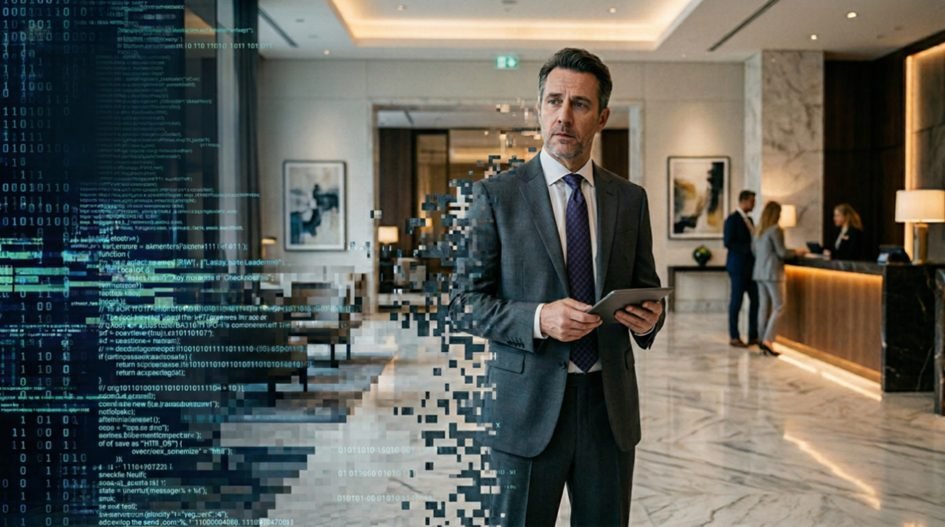
Der nächste Leistungsunterschied in der Hotellerie wird nicht durch Technologie entstehen, sondern durch Führung.
Hospitality owners are investing heavily in technology such as artificial intelligence, digital guest platforms, data analytics, and increasingly sophisticated operational systems.
Their expectation is clear: technology will drive efficiency, improve decision-making, and elevate the guest experience.
And yet, technology is moving fast. But the leadership capability required to actually use it well like integrating it into daily operations, aligning teams around it, and translating it into better guest experiences, is not always keeping pace.
After reviewing the findings from our recent global talent study covering over 700 HR leaders across more than 20 countries, I noticed something.
👉 Download the full report here: https://lnkd.in/gFHDJAnV
Three signals stood out that I think every hospitality owner should be paying attention to.
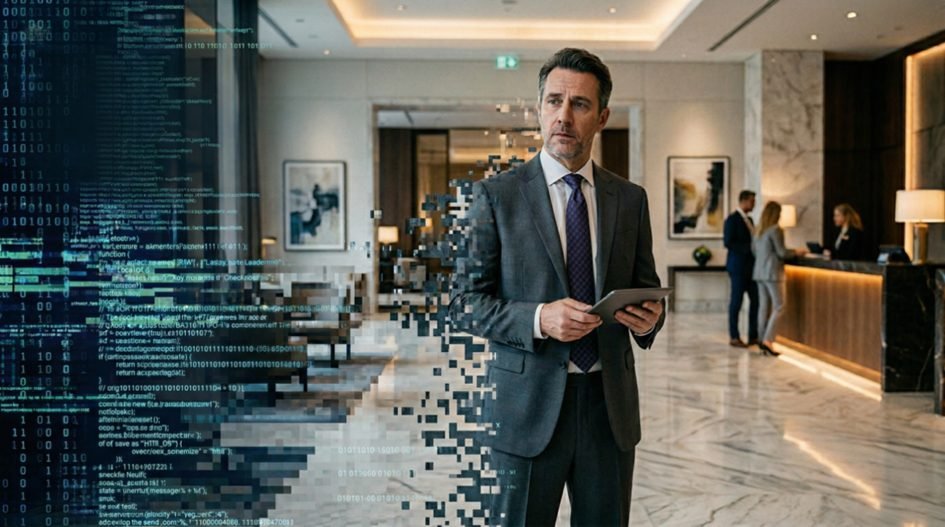
Signal #1: Leaders Are Confident. But Confidence and Capability Are Not the Same Thing.
The research shows that 88% of organizations feel confident in their leadership teams’ ability to drive transformation.
That sounds reassuring. Until you look a little deeper.
When actual installed capabilities are assessed, the largest gaps remain in strategic vision, change management, and emotional intelligence under pressure, the exact capabilities required to lead a hotel organization through a technology-enabled transformation.
The intent is there. The execution capability is not always fully built.
For owners, this matters more than it might appear. You can invest in the best systems on the market. But if the leadership team running the asset doesn’t have the depth to integrate those systems into how decisions get made and how teams operate, the investment underperforms.
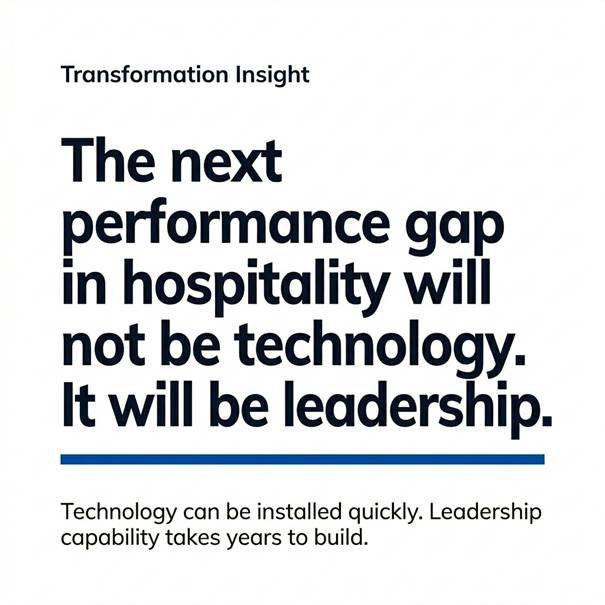
Technology can be implemented in months. Leadership capability takes years to develop.

Signal #2: The Fatigue Inside Hotel Organizations Is Structural, Not Situational.
More than 80% of HR leaders report employee fatigue driven by constant organizational change. And the data shows this isn’t decreasing, it’s holding steady year over year.
What’s particularly important is the root cause. This fatigue isn’t primarily about workload. It’s about a lack of clarity, unclear priorities, shifting initiatives, and constant change without a stable leadership structure to give it direction.
Anyone who has spent time inside hotel operations knows exactly what this looks and feels like.
Properties are simultaneously managing new technology rollouts, brand evolutions, distribution shifts, labor challenges, and margin pressure. When leadership alignment is weak, all of that motion creates friction.
And friction inside a hotel shows up in predictable places: service inconsistency, disengaged teams, and eventually, weaker financial performance.
Organizational clarity isn’t a soft topic. For a hospitality asset, it’s an operational one.

Signal #3: AI Is Being Adopted Faster Than Organizations Are Ready for It.
There’s a lot of excitement, and rightly so, around what AI can do for hospitality. Revenue management, operational efficiency, personalized guest experiences. The potential is real.
But here’s what the data actually shows: while more than 60% of organizations are already using AI, only around 1 in 10 has fully embedded it into their strategic capability development.
The biggest barriers to AI success aren’t technological. They’re organizational.
Many hotel companies are installing new systems without redesigning the roles, workflows, and leadership responsibilities around them. The technology arrives. The organization doesn’t evolve at the same speed.
The result, more often than owners anticipate, is added complexity rather than improved efficiency.
What I Think This Means for Owners
I’ve spent over three decades working in and around the hospitality industry, across Europe, the Middle East, and Asia Pacific. And the pattern I keep seeing is consistent.
The hotels that outperform over time are rarely the ones with the most advanced systems or the strongest brand alone. They’re the ones where leadership capability matches the complexity of the environment they’re operating in.
Technology can be copied. Buildings can be renovated. Brands can change.
But the ability to lead teams through complexity, make clear decisions under pressure, and sustain service excellence while managing constant change, that takes much longer to build, and it’s becoming one of the most important differentiators between assets that perform and those that struggle.
The question for owners, I think, is a simple one:
In an industry being reshaped by technology and complexity, are we paying enough attention to the leadership capability required to run the asset well?
These reflections draw on findings from the Cornerstone Talent Insights 2026 report. I’d love to hear how you’re seeing this play out in your portfolios—drop a comment or reach out directly.